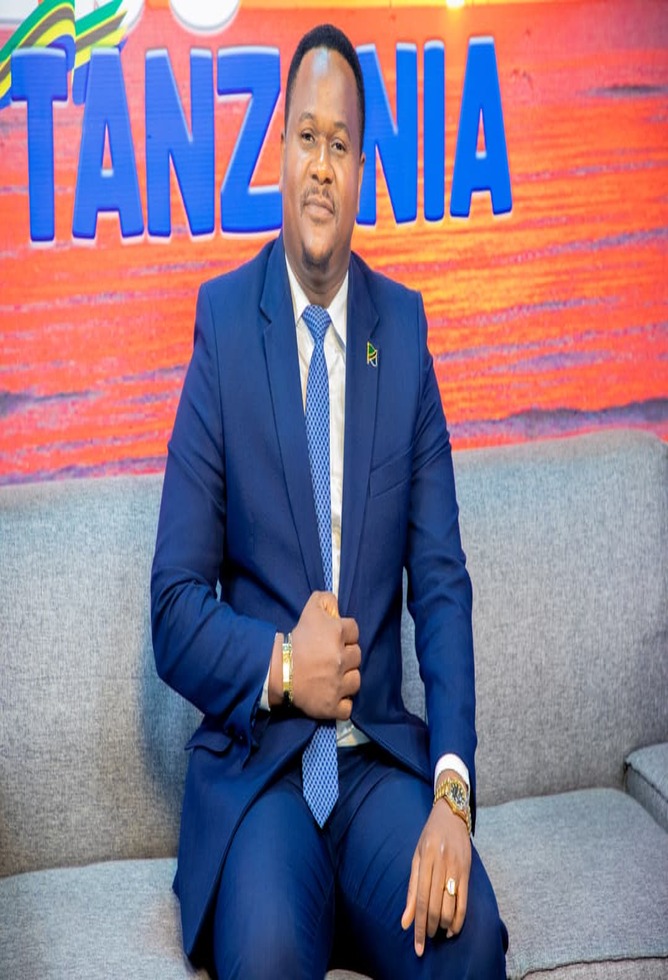
Athanas August Ngalawa (PhD)

Chairman Foundation for Outreach on Culture and Development (FOCD)

On the Foundation for Outreach on Culture and Development (FOCD) Motto: “Language is a Weapon; Culture is Capital” With profound respect and humility, I wish to share my reflections on ... the mission and direction of FOCD in today’s rapidly evolving world. We live in an era where geographical boundaries are increasingly fluid, technology has interconnected continents, and economic competition has intensified. In such a landscape, we must ask ourselves: How do we safeguard our identity? How do we build sustainable futures? Our answer is clear and resolute—language is a weapon, and culture is capital. Language isa Weapon When we describe language as a weapon, we do not refer to an instrument of harm or conflict. Rather, we speak of a weapon of knowledge, identity, influence, and dignity. Language carries a people’s history, philosophy, values, and worldview. A nation that neglects its language gradually loses its voice on the global stage. Through FOCD, we promote the proper, confident, and strategic use of Kiswahili as a medium of communication, education, commerce, and cultural diplomacy. When language is strong, communities are better equipped to withstand moral erosion and the unfiltered pressures of globalization. Language empowers us to tell our own stories in our own voice—rather than living through the interpretations of others. Moreover, language is a pillar of security. In the broader context of national and societal stability, effective communication fosters understanding, prevents conflict, and strengthens social cohesion. Communities that communicate openly and respectfully reduce the space for hatred, misinformation, and manipulation. To invest in language, therefore, is to invest in peace, resilience, and long-term stability. Culture is Capital Culture is not merely a relic of the past; it is a living resource. Within culture lie the arts, music, traditional attire, cuisine, customs, indigenous games, and moral frameworks that shape our collective identity. These elements hold not only social value but also significant economic potential. In the modern global economy, nations thrive not only because of natural resources, but because they transform their cultural heritage into economic opportunity. This is where the broader concept of tourism becomes essential. The Concept of Tourism and the Role of Language Tourism extends far beyond visiting mountains, beaches, or wildlife reserves. It is an encounter with people—their language, stories, music, cuisine, and way of life. When visitors travel to a country, they seek more than scenery; they seek connection. At this point, language becomes an economic bridge. A tour guide who eloquently narrates history, an artist who explains the meaning behind their work, or a young professional who communicates confidently in international languages while preserving their identity—these individuals are both custodians and ambassadors of culture. At FOCD, we believe that linguistic excellence enhances the quality of tourism services and, consequently, increases community income. When language education is integrated with moral and historical awareness, it becomes a safeguard against cultural erosion. In this way, tourism is not merely consumption of attractions, but a respectful exchange of values and knowledge. Youth Empowerment Today’s youth face formidable challenges: unemployment, technological disruption, and rapidly shifting labor markets. In response, FOCD seeks to serve as a platform for empowerment through: 1. Language and communication training – preparing young people to become translators, content creators, tour guides, and cultural journalists. 2. Creative cultural innovation – encouraging the development of artistic projects, film, music, indigenous fashion, and cultural exhibitions. 3. Social entrepreneurship – transforming cultural talent and knowledge into dignified employment and sustainable income. 4. Moral formation – ensuring that economic advancement never compromises human dignity and societal respect. We firmly believe that a young person who understands their language and values their culture develops deep roots. Those roots provide the strength to compete in the global marketplace without losing identity or integrity. A Global Invitation Through FOCD, we extend an open invitation to partners at both national and international levels to collaborate in advancing this agenda. The world needs dialogue among cultures—not a clash of civilizations. The world needs self-aware youth—not imitation without discernment. By strengthening language and culture, we build inclusive economies, safeguard social security, and unlock pathways for sustainable tourism. This responsibility does not rest solely with institutions; it belongs to all of us. On behalf of FOCD, I am convinced that the future of authentic development lies in recognizing that what we possess—our language and our culture—is not a remnant of history, but a treasure for tomorrow. Thank you for being part of this journey.

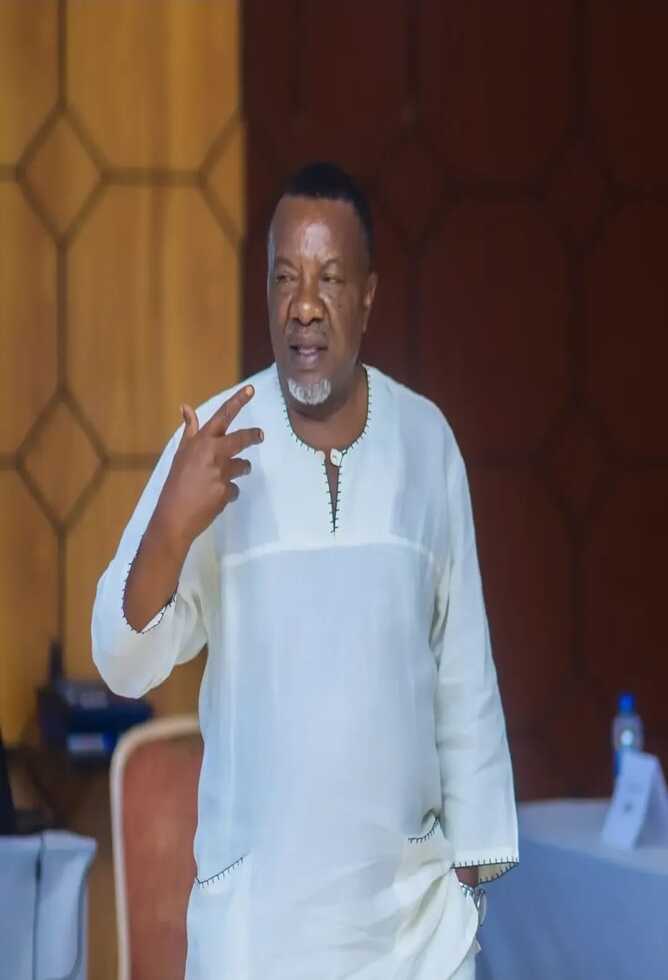
Onni Sigalla

CEO Foundation for Outreach on Culture and Development (FOCD)

I hereby present our Five-Year Strategic Implementation Framework (2026–2030). This framework translates vision into measurable action and ... positions FOCD as a results-driven institution both nationally and internationally. Over the next five years, our strategic priorities will be to: • Strengthen language—particularly Kiswahili—as a tool for development and cultural diplomacy. • Transform culture into sustainable economic capital. • Advance cultural and community-based tourism. • Empower youth professionally and technically within creative and service sectors. This strategy will be executed under the principles of: • Institutional efficiency • Financial sustainability • National and international partnerships • Results-Based Management and measurable impact 2. IMPLEMENTATION VISION (2026–2030) Within five years, FOCD will: 1. Establish Language and Cultural Training Centers across five zones of Tanzania. 2. Launch international language and cultural exchange programs. 3. Empower no fewer than 5,000 youth through training in language skills, tourism, and cultural innovation. 4. Develop a Cultural & Tourism Digital Hub to enhance visibility and market access. 5. Build collaborative partnerships in at least 10 countries. 3. POLICY PILLARS AND STRATEGIC ACTION AREAS PILLAR I: LANGUAGE DEVELOPMENT Objective: To position language as an instrument of economic growth, social security, and international influence. Strategic Actions: 1. Establish a Swahili Excellence Centre. 2. Deliver professional training in: o Translation and Interpretation o Digital Content Development o International Communication 3. Develop short professional certification programs in: o Kiswahili for Foreign Learners o Language for Tourism Services o Language and Community Security 4. Launch national youth competitions in language innovation and creative writing. 5. Promote language diplomacy through international cooperation agreements. Key Performance Indicators: • 1,000 graduates annually. • 5 international Kiswahili programs established. • 10 academic or professional publications within five years. PILLAR II: CULTURE AS ECONOMIC CAPITAL Objective: To transform cultural resources into sustainable economic ventures. Strategic Actions: 1. Launch a Cultural Enterprise Incubation Program targeting youth. 2. Organize an annual National Cultural Expo. 3. Establish a Creative Seed Fund to support emerging innovators. 4. Document and preserve indigenous knowledge systems. 5. Facilitate international market access for cultural groups in arts, fashion, music, and film. Expected Outcomes: • 200 culture-based enterprises generating employment. • 40% income growth among supported creative groups. • Creation of a National Cultural Heritage Digital Database. PILLAR III: CULTURAL AND COMMUNITY TOURISM DEVELOPMENT Objective: To promote tourism that integrates language, history, and lived community experience. Strategic Actions: 1. Implement a Community Cultural Tourism Model in eight regions. 2. Train tour guides in: o Multilingual communication o Local history and heritage o International customer service standards 3. Develop digital platforms to promote cultural tourism destinations. 4. Convene international conferences on culture and tourism. 5. Introduce a specialized module: “Language for Tourism and Visitor Security.” Performance Targets: • 50 operational cultural tourism villages. • 1,500 certified tour guides trained. • 20 international partnerships in tourism development. PILLAR IV: YOUTH EMPOWERMENT AND PROFESSIONAL DEVELOPMENT Objective: To build a generation of culturally grounded professionals with global competence. Implementation Programs: 1. Professional training in: o Cultural journalism o Event management o Digital entrepreneurship o Educational content development 2. A two-year structured mentorship program for graduates. 3. Partnerships with local and international universities. 4. Launch of the Youth Cultural Leadership Fellowship. 5. Establishment of an Internship and Career Placement Platform. Expected Results: • 5,000 youth trained within five years. • 60% employment or enterprise creation rate among graduates. • A global network of Youth Cultural Ambassadors. 4. INTERNATIONAL STRATEGY Over the five-year period, FOCD will: 1. Register representative offices in three strategic countries. 2. Sign academic and professional cooperation agreements with 15 institutions. 3. Host a biennial International Conference on Language and Culture. 4. Launch student and professional exchange programs. 5. Participate actively in global forums on culture and sustainable development. 5. GOVERNANCE AND OPERATIONAL FRAMEWORK As Executive Director, I will ensure: • Implementation of a robust Monitoring and Evaluation (M&E) Framework. • A comprehensive Resource Mobilization Strategy. • Strong internal audit and financial accountability systems. • A digital data management and reporting system. • Annual performance reviews for all strategic programs. 6. FINANCIAL SUSTAINABILITY FOCD will strengthen: • Internal revenue generation through training and consultancy services. • International partnerships and grant acquisition. • Social enterprises aligned with our mission. • A dedicated Language and Culture Development Fund. 7. CONCLUSION Over the next five years, FOCD will evolve from a vision-driven institution into a performance-oriented organization delivering measurable impact. Through this policy and strategic framework: • Language will serve as an instrument of influence and societal security. • Culture will function as economic capital. • Tourism will become a bridge to global engagement. • Youth will emerge as the engine of sustainable transformation. This is not merely a strategic document—it is a commitment to execution, accountability, and impact.

Chenga Ismail

Treasurer

Guided by the vision of the Chairman and the implementation strategy of the Executive Director, the Office of the Treasurer assumes the responsibility of ensuring that FOCD’s mission is executed upon a solid foundation of financial stability, transparency, and sustainability. Over the next five years, the Treasurer’s office will focus on:... • Mobilizing and managing financial resources domestically and internationally. • Establishing sustainable institutional revenue streams. • Ensuring accountability, efficiency, and Value for Money. • Building financial credibility and trust among stakeholders and partners. 2. RESOURCE MOBILIZATION STRATEGY A. Internal Revenue Streams 1. Revenue Through Publications FOCD will establish a dedicated publishing and distribution unit responsible for: • Language and cultural books • Research publications • Cultural tourism manuals and guides • A quarterly journal on Language and Development Financial Strategy: • Book sales to schools, universities, and libraries. • Digital publishing (e-books). • International distribution through online platforms. • Partnerships with local and international publishers. Target: By year five, at least 25% of FOCD’s annual budget will be generated through publication revenue. 2. Training and Certification Fees Revenue will be generated from: • Kiswahili courses for foreign learners • Translation and interpretation certification programs • Youth leadership training • Cultural tourism professional courses A differentiated pricing structure will be developed for domestic and international participants. 3. Consultancy Services FOCD will offer professional consultancy services in: • Language policy and cultural strategy advisory • Social research and community studies • Organization of cultural conferences and exhibitions These services will serve as a sustainable income stream while enhancing the institution’s professional standing. 3. DOMESTIC AND INTERNATIONAL GRANT STRATEGY A. Domestic Grants The Treasurer’s Office will: 1. Develop and maintain a comprehensive database of local donors and funding institutions. 2. Prepare competitive grant proposals targeting: o Government institutions o Public agencies o Private sector entities under Corporate Social Responsibility (CSR) frameworks 3. Establish the “Friends of FOCD” stakeholder engagement program. B. International Grants The international funding strategy will include: 1. Establishment of a specialized Grant Writing Unit. 2. Continuous monitoring of global funding opportunities in the areas of: o Language development o Cultural preservation o Tourism innovation o Youth empowerment 3. Development of internationally compliant project proposals logical frameworks, M and E systems, impact indicators. 4. Strategic collaboration with international institutions as implementation partners. Five-Year Target: Secure at least 15 high-impact international projects of strategic value. 4. LANGUAGE AND CULTURE DEVELOPMENT FUND The Treasurer will oversee the establishment of the: Language and Culture Development Fund Objectives of the Fund: • Financing small-scale youth initiatives. • Supporting research in language and culture. • Investing in income-generating cultural enterprises. Sources of the Fund: • Stakeholder contributions • A designated percentage of publication revenue • Special international grants • Fundraising galas and high-level donor events 5. FUNDRAISING EVENTS Within the five-year period, FOCD will organize: 1. An International Cultural Gala. 2. A Language and Youth Festival. 3. Digital fundraising campaigns. 4. A Project Sponsorship Model for targeted initiatives. 6. FINANCIAL GOVERNANCE AND ACCOUNTABILITY The Treasurer will ensure: • Preparation of annual budgets aligned with strategic priorities. • Internal and external audits. • Quarterly and annual financial reporting. • Implementation of a digital financial management system. • Strict expenditure policies guided by Value for Money principles. 7. FIVE-YEAR FINANCIAL TARGET (By 2030) By 2030, FOCD aims to: • Generate at least 40% of its budget from internal revenue sources. • Maintain an operational reserve equivalent to 12 months of running costs. • Sustain a portfolio of internationally funded strategic projects. 8. CONCLUSION The Office of the Treasurer will not merely function as a financial control unit, but as a strategic engine of institutional sustainability. Through these financial mechanisms: • Language initiatives will be adequately resourced. • Cultural development will attract long-term investment. • Youth will access meaningful economic opportunities. • Cultural tourism will increase in measurable financial value. With disciplined management, transparency, and financial innovation, FOCD will implement its vision with strength, credibility, and measurable success. Chenga Athumani Ismail Treasurer Foundation for Outreach on Culture and Development (FOCD)

Vission

A society where culture is recognized, valued, and harnessed as a catalyst for inclusive and sustainable development.

Mission

To promote cultural awareness, empower communities, and facilitate dialogue that integrates culture into local, national, and global development processes.

What we are doing

Core Values

Inclusivity

Ensuring equal participation of all cultural groups

Integrity

Accountability and transparency in all engagements

Community Empowerment

Placing communities at the center of development.

Our Expert & Volunteers

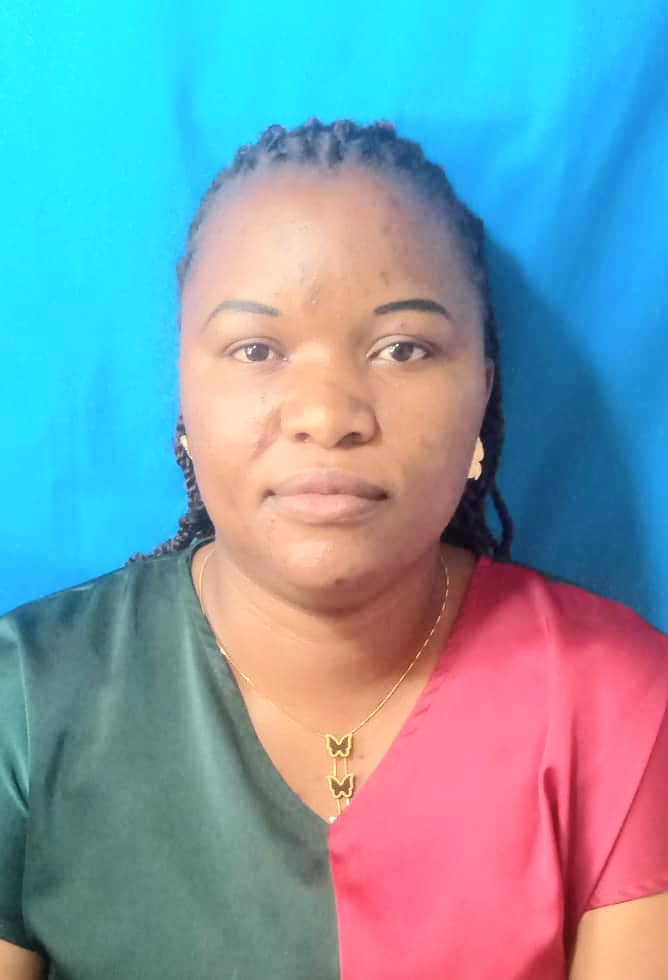
Stella Tesha

Monitoring and Evaluation Officer

Chenga Ismail

Treasurer

Abel Onesmo

Public & Relation Officer

Onni Sigalla

Chief Executive Officer

Key Program Areas

Cultural Research & Documentation

A

Community Outreach & Awareness

Heritage Conservation & Promotion

Youth, Arts, and Creative Economy Programs

.........

Capacity Building & Leadership Training

A

Policy Advocacy on Culture and Development

Let's Change The World With Humanity

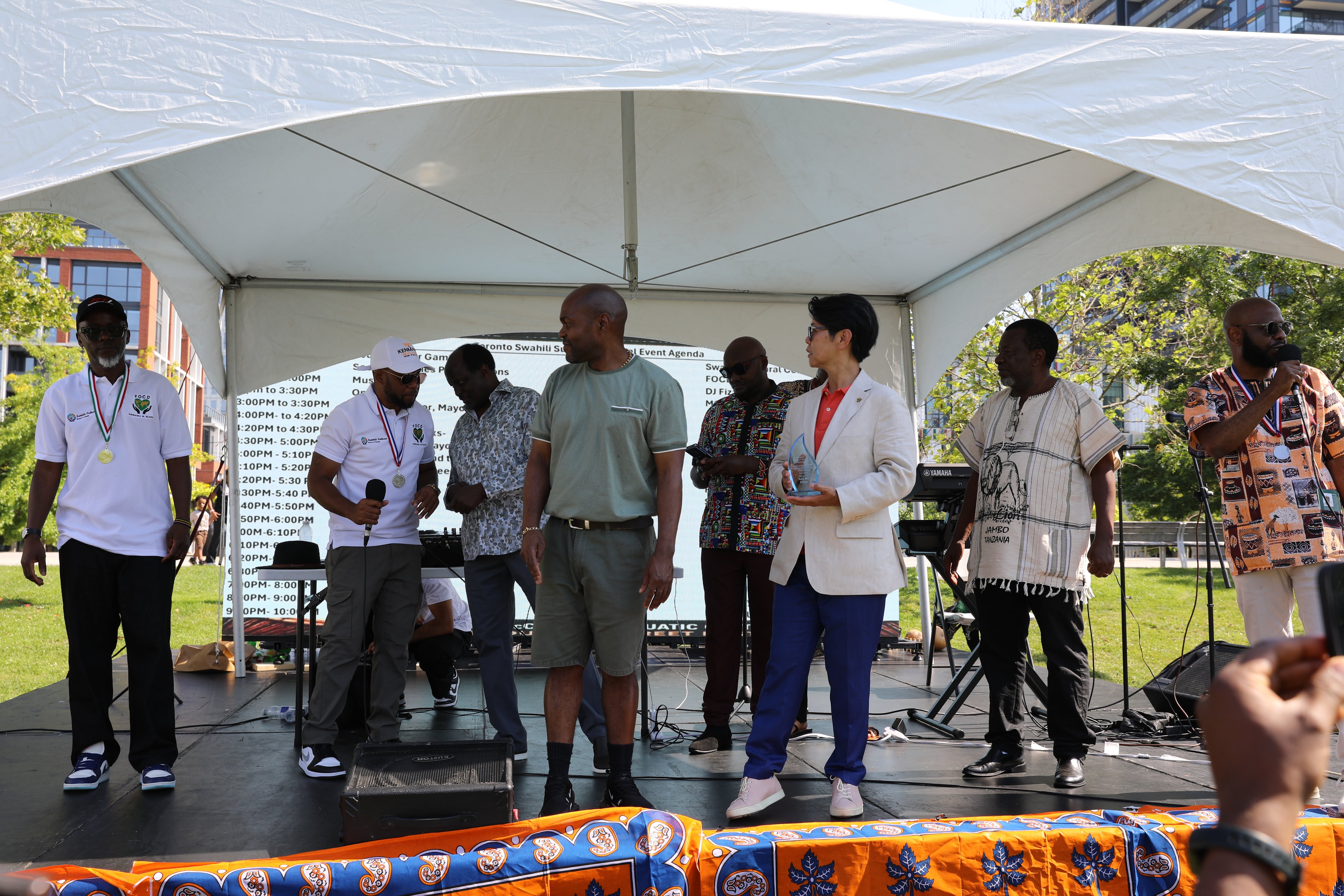
Dkt. Athanas August Ngalawa

Chairman

“Swahili is a Weapon; Culture is Capital”

Onni Isaac Jacton Sigalla

Chief Executive Officer

“.......”

Chenga Athumani Ismail
Treasure

“.......”

Our Partners